This publication answers one operational question: Testing PHP 8.2/8.3/8.4/8.5 in CI: a useful compatibility matrix. The goal is not to list features but to turn primary documentation into verifiable decisions, with success criteria, tests, and a recovery path.
The evidence set favors official documentation and primary specifications. It is used as a boundary: recommendations stay within what those sources actually establish, and local implementation choices are not presented as universal facts.
The problem to solve
This method is intentionally conservative: it values local, repeatable evidence over broad claims. When behavior depends on a provider, operating system, or exact version, that dependency becomes an explicit condition of the procedure. The trade-off becomes visible when URI API simplifies the stack but narrows compatibility, or when shared hosting increases visibility at an operational cost. The decision therefore needs an acceptable overhead, an allowed dependency set, and a threshold that triggers rollback. The main trap is treating the absence of an exception as success. For support lifecycle, a quiet run proves neither security nor performance. Look for an expected result, an expected failure, and a telemetry or logging signal consistent with security release. An operational reading of the primary sources separates capability, stability, and support policy. PHP 8.2 can exist without being the right default everywhere; URI API can be stable while still requiring service-specific guardrails. The recommended test starts from a known state, changes one variable, observes PHP-FPM, and compares the result with a criterion written before the test. Record the exact version, active configuration, and execution path so a second operator can reproduce the check. In “The problem to solve”, the central concern is PHP 8.2. For testing php 8.2/8.3/8.4/8.5 in ci: a useful compatibility matrix, PHP-FPM, support lifecycle, and security release need to be evaluated in one validation scenario rather than treated as unrelated feature choices.
The main trap is treating the absence of an exception as success. For URI API, a quiet run proves neither security nor performance. Look for an expected result, an expected failure, and a telemetry or logging signal consistent with PHP 8.3. This method is intentionally conservative: it values local, repeatable evidence over broad claims. When behavior depends on a provider, operating system, or exact version, that dependency becomes an explicit condition of the procedure. The trade-off becomes visible when compatibility matrix simplifies the stack but narrows compatibility, or when security release increases visibility at an operational cost. The decision therefore needs an acceptable overhead, an allowed dependency set, and a threshold that triggers rollback. The recommended test starts from a known state, changes one variable, observes PHP 8.2, and compares the result with a criterion written before the test. Record the exact version, active configuration, and execution path so a second operator can reproduce the check. An operational reading of the primary sources separates capability, stability, and support policy. php.ini can exist without being the right default everywhere; compatibility matrix can be stable while still requiring service-specific guardrails. In “The problem to solve”, the central concern is php.ini. For testing php 8.2/8.3/8.4/8.5 in ci: a useful compatibility matrix, PHP 8.2, URI API, and PHP 8.3 need to be evaluated in one validation scenario rather than treated as unrelated feature choices.
This method is intentionally conservative: it values local, repeatable evidence over broad claims. When behavior depends on a provider, operating system, or exact version, that dependency becomes an explicit condition of the procedure. The trade-off becomes visible when OPcache simplifies the stack but narrows compatibility, or when compatibility matrix increases visibility at an operational cost. The decision therefore needs an acceptable overhead, an allowed dependency set, and a threshold that triggers rollback. The recommended test starts from a known state, changes one variable, observes PHP 8.5, and compares the result with a criterion written before the test. Record the exact version, active configuration, and execution path so a second operator can reproduce the check. The main trap is treating the absence of an exception as success. For shared hosting, a quiet run proves neither security nor performance. Look for an expected result, an expected failure, and a telemetry or logging signal consistent with production. In “The problem to solve”, the central concern is URI API. For testing php 8.2/8.3/8.4/8.5 in ci: a useful compatibility matrix, PHP 8.5, shared hosting, and production need to be evaluated in one validation scenario rather than treated as unrelated feature choices. An operational reading of the primary sources separates capability, stability, and support policy. URI API can exist without being the right default everywhere; OPcache can be stable while still requiring service-specific guardrails.
What primary sources establish
The trade-off becomes visible when deprecations simplifies the stack but narrows compatibility, or when URI API increases visibility at an operational cost. The decision therefore needs an acceptable overhead, an allowed dependency set, and a threshold that triggers rollback. This method is intentionally conservative: it values local, repeatable evidence over broad claims. When behavior depends on a provider, operating system, or exact version, that dependency becomes an explicit condition of the procedure. The main trap is treating the absence of an exception as success. For PHP 8.2, a quiet run proves neither security nor performance. Look for an expected result, an expected failure, and a telemetry or logging signal consistent with security release. The recommended test starts from a known state, changes one variable, observes PHP 8.5, and compares the result with a criterion written before the test. Record the exact version, active configuration, and execution path so a second operator can reproduce the check. An operational reading of the primary sources separates capability, stability, and support policy. rollback can exist without being the right default everywhere; deprecations can be stable while still requiring service-specific guardrails. In “What primary sources establish”, the central concern is rollback. For testing php 8.2/8.3/8.4/8.5 in ci: a useful compatibility matrix, PHP 8.5, PHP 8.2, and security release need to be evaluated in one validation scenario rather than treated as unrelated feature choices.
A useful decision compares the risk of staying, the risk of changing, test capacity, and reversibility. A newer runtime or framework is not automatically better for a given service; it has to be better for the measured job.
The recommended test starts from a known state, changes one variable, observes PHP-FPM, and compares the result with a criterion written before the test. Record the exact version, active configuration, and execution path so a second operator can reproduce the check. The trade-off becomes visible when deprecations simplifies the stack but narrows compatibility, or when shared hosting increases visibility at an operational cost. The decision therefore needs an acceptable overhead, an allowed dependency set, and a threshold that triggers rollback. This method is intentionally conservative: it values local, repeatable evidence over broad claims. When behavior depends on a provider, operating system, or exact version, that dependency becomes an explicit condition of the procedure. An operational reading of the primary sources separates capability, stability, and support policy. compatibility matrix can exist without being the right default everywhere; deprecations can be stable while still requiring service-specific guardrails. The main trap is treating the absence of an exception as success. For security release, a quiet run proves neither security nor performance. Look for an expected result, an expected failure, and a telemetry or logging signal consistent with PHP 8.4. In “What primary sources establish”, the central concern is compatibility matrix. For testing php 8.2/8.3/8.4/8.5 in ci: a useful compatibility matrix, PHP-FPM, security release, and PHP 8.4 need to be evaluated in one validation scenario rather than treated as unrelated feature choices.
The main trap is treating the absence of an exception as success. For PHP 8.4, a quiet run proves neither security nor performance. Look for an expected result, an expected failure, and a telemetry or logging signal consistent with PHP 8.5. This method is intentionally conservative: it values local, repeatable evidence over broad claims. When behavior depends on a provider, operating system, or exact version, that dependency becomes an explicit condition of the procedure. The trade-off becomes visible when URI API simplifies the stack but narrows compatibility, or when php.ini increases visibility at an operational cost. The decision therefore needs an acceptable overhead, an allowed dependency set, and a threshold that triggers rollback. In “What primary sources establish”, the central concern is production. For testing php 8.2/8.3/8.4/8.5 in ci: a useful compatibility matrix, security release, PHP 8.4, and PHP 8.5 need to be evaluated in one validation scenario rather than treated as unrelated feature choices. The recommended test starts from a known state, changes one variable, observes security release, and compares the result with a criterion written before the test. Record the exact version, active configuration, and execution path so a second operator can reproduce the check. An operational reading of the primary sources separates capability, stability, and support policy. production can exist without being the right default everywhere; URI API can be stable while still requiring service-specific guardrails.
Architecture and mechanisms
The main trap is treating the absence of an exception as success. For compatibility matrix, a quiet run proves neither security nor performance. Look for an expected result, an expected failure, and a telemetry or logging signal consistent with production. The trade-off becomes visible when OPcache simplifies the stack but narrows compatibility, or when PHP-FPM increases visibility at an operational cost. The decision therefore needs an acceptable overhead, an allowed dependency set, and a threshold that triggers rollback. This method is intentionally conservative: it values local, repeatable evidence over broad claims. When behavior depends on a provider, operating system, or exact version, that dependency becomes an explicit condition of the procedure. The recommended test starts from a known state, changes one variable, observes deprecations, and compares the result with a criterion written before the test. Record the exact version, active configuration, and execution path so a second operator can reproduce the check. An operational reading of the primary sources separates capability, stability, and support policy. rollback can exist without being the right default everywhere; OPcache can be stable while still requiring service-specific guardrails. In “Architecture and mechanisms”, the central concern is rollback. For testing php 8.2/8.3/8.4/8.5 in ci: a useful compatibility matrix, deprecations, compatibility matrix, and production need to be evaluated in one validation scenario rather than treated as unrelated feature choices.
The trade-off becomes visible when URI API simplifies the stack but narrows compatibility, or when OPcache increases visibility at an operational cost. The decision therefore needs an acceptable overhead, an allowed dependency set, and a threshold that triggers rollback. The main trap is treating the absence of an exception as success. For PHP-FPM, a quiet run proves neither security nor performance. Look for an expected result, an expected failure, and a telemetry or logging signal consistent with php.ini. In “Architecture and mechanisms”, the central concern is production. For testing php 8.2/8.3/8.4/8.5 in ci: a useful compatibility matrix, PHP 8.2, PHP-FPM, and php.ini need to be evaluated in one validation scenario rather than treated as unrelated feature choices. The recommended test starts from a known state, changes one variable, observes PHP 8.2, and compares the result with a criterion written before the test. Record the exact version, active configuration, and execution path so a second operator can reproduce the check. An operational reading of the primary sources separates capability, stability, and support policy. production can exist without being the right default everywhere; URI API can be stable while still requiring service-specific guardrails. This method is intentionally conservative: it values local, repeatable evidence over broad claims. When behavior depends on a provider, operating system, or exact version, that dependency becomes an explicit condition of the procedure.
The recommended test starts from a known state, changes one variable, observes php.ini, and compares the result with a criterion written before the test. Record the exact version, active configuration, and execution path so a second operator can reproduce the check. This method is intentionally conservative: it values local, repeatable evidence over broad claims. When behavior depends on a provider, operating system, or exact version, that dependency becomes an explicit condition of the procedure. The main trap is treating the absence of an exception as success. For rollback, a quiet run proves neither security nor performance. Look for an expected result, an expected failure, and a telemetry or logging signal consistent with URI API. In “Architecture and mechanisms”, the central concern is compatibility matrix. For testing php 8.2/8.3/8.4/8.5 in ci: a useful compatibility matrix, php.ini, rollback, and URI API need to be evaluated in one validation scenario rather than treated as unrelated feature choices. An operational reading of the primary sources separates capability, stability, and support policy. compatibility matrix can exist without being the right default everywhere; security release can be stable while still requiring service-specific guardrails. The trade-off becomes visible when security release simplifies the stack but narrows compatibility, or when shared hosting increases visibility at an operational cost. The decision therefore needs an acceptable overhead, an allowed dependency set, and a threshold that triggers rollback.

Implementation procedure
This method is intentionally conservative: it values local, repeatable evidence over broad claims. When behavior depends on a provider, operating system, or exact version, that dependency becomes an explicit condition of the procedure. The trade-off becomes visible when PHP 8.4 simplifies the stack but narrows compatibility, or when PHP 8.2 increases visibility at an operational cost. The decision therefore needs an acceptable overhead, an allowed dependency set, and a threshold that triggers rollback. The recommended test starts from a known state, changes one variable, observes production, and compares the result with a criterion written before the test. Record the exact version, active configuration, and execution path so a second operator can reproduce the check. The main trap is treating the absence of an exception as success. For PHP 8.3, a quiet run proves neither security nor performance. Look for an expected result, an expected failure, and a telemetry or logging signal consistent with URI API. In “Implementation procedure”, the central concern is deprecations. For testing php 8.2/8.3/8.4/8.5 in ci: a useful compatibility matrix, production, PHP 8.3, and URI API need to be evaluated in one validation scenario rather than treated as unrelated feature choices. An operational reading of the primary sources separates capability, stability, and support policy. deprecations can exist without being the right default everywhere; PHP 8.4 can be stable while still requiring service-specific guardrails.
In “Implementation procedure”, the central concern is PHP 8.3. For testing php 8.2/8.3/8.4/8.5 in ci: a useful compatibility matrix, production, PHP 8.4, and URI API need to be evaluated in one validation scenario rather than treated as unrelated feature choices. The trade-off becomes visible when PHP 8.2 simplifies the stack but narrows compatibility, or when php.ini increases visibility at an operational cost. The decision therefore needs an acceptable overhead, an allowed dependency set, and a threshold that triggers rollback. The main trap is treating the absence of an exception as success. For PHP 8.4, a quiet run proves neither security nor performance. Look for an expected result, an expected failure, and a telemetry or logging signal consistent with URI API. The recommended test starts from a known state, changes one variable, observes production, and compares the result with a criterion written before the test. Record the exact version, active configuration, and execution path so a second operator can reproduce the check. This method is intentionally conservative: it values local, repeatable evidence over broad claims. When behavior depends on a provider, operating system, or exact version, that dependency becomes an explicit condition of the procedure. An operational reading of the primary sources separates capability, stability, and support policy. PHP 8.3 can exist without being the right default everywhere; PHP 8.2 can be stable while still requiring service-specific guardrails.
This method is intentionally conservative: it values local, repeatable evidence over broad claims. When behavior depends on a provider, operating system, or exact version, that dependency becomes an explicit condition of the procedure. The main trap is treating the absence of an exception as success. For PHP-FPM, a quiet run proves neither security nor performance. Look for an expected result, an expected failure, and a telemetry or logging signal consistent with URI API. The trade-off becomes visible when security release simplifies the stack but narrows compatibility, or when PHP 8.2 increases visibility at an operational cost. The decision therefore needs an acceptable overhead, an allowed dependency set, and a threshold that triggers rollback. An operational reading of the primary sources separates capability, stability, and support policy. PHP 8.4 can exist without being the right default everywhere; security release can be stable while still requiring service-specific guardrails. In “Implementation procedure”, the central concern is PHP 8.4. For testing php 8.2/8.3/8.4/8.5 in ci: a useful compatibility matrix, production, PHP-FPM, and URI API need to be evaluated in one validation scenario rather than treated as unrelated feature choices. The recommended test starts from a known state, changes one variable, observes production, and compares the result with a criterion written before the test. Record the exact version, active configuration, and execution path so a second operator can reproduce the check.
php -v
php --ini
php -m
php -i | grep -E 'opcache|Loaded Configuration'
Verification criteria
This method is intentionally conservative: it values local, repeatable evidence over broad claims. When behavior depends on a provider, operating system, or exact version, that dependency becomes an explicit condition of the procedure. The main trap is treating the absence of an exception as success. For php.ini, a quiet run proves neither security nor performance. Look for an expected result, an expected failure, and a telemetry or logging signal consistent with compatibility matrix. The trade-off becomes visible when deprecations simplifies the stack but narrows compatibility, or when security release increases visibility at an operational cost. The decision therefore needs an acceptable overhead, an allowed dependency set, and a threshold that triggers rollback. An operational reading of the primary sources separates capability, stability, and support policy. PHP 8.2 can exist without being the right default everywhere; deprecations can be stable while still requiring service-specific guardrails. In “Verification criteria”, the central concern is PHP 8.2. For testing php 8.2/8.3/8.4/8.5 in ci: a useful compatibility matrix, URI API, php.ini, and compatibility matrix need to be evaluated in one validation scenario rather than treated as unrelated feature choices. The recommended test starts from a known state, changes one variable, observes URI API, and compares the result with a criterion written before the test. Record the exact version, active configuration, and execution path so a second operator can reproduce the check.
Verification needs an observable signal: a command succeeds, a test passes, a resource synchronizes, a span appears, or a failure mode is reproduced safely. A deployment without measurable proof is still only an assumption.
The main trap is treating the absence of an exception as success. For OPcache, a quiet run proves neither security nor performance. Look for an expected result, an expected failure, and a telemetry or logging signal consistent with PHP 8.5. An operational reading of the primary sources separates capability, stability, and support policy. PHP 8.2 can exist without being the right default everywhere; PHP-FPM can be stable while still requiring service-specific guardrails. In “Verification criteria”, the central concern is PHP 8.2. For testing php 8.2/8.3/8.4/8.5 in ci: a useful compatibility matrix, compatibility matrix, OPcache, and PHP 8.5 need to be evaluated in one validation scenario rather than treated as unrelated feature choices. The trade-off becomes visible when PHP-FPM simplifies the stack but narrows compatibility, or when PHP 8.4 increases visibility at an operational cost. The decision therefore needs an acceptable overhead, an allowed dependency set, and a threshold that triggers rollback. The recommended test starts from a known state, changes one variable, observes compatibility matrix, and compares the result with a criterion written before the test. Record the exact version, active configuration, and execution path so a second operator can reproduce the check. This method is intentionally conservative: it values local, repeatable evidence over broad claims. When behavior depends on a provider, operating system, or exact version, that dependency becomes an explicit condition of the procedure.
An operational reading of the primary sources separates capability, stability, and support policy. production can exist without being the right default everywhere; shared hosting can be stable while still requiring service-specific guardrails. This method is intentionally conservative: it values local, repeatable evidence over broad claims. When behavior depends on a provider, operating system, or exact version, that dependency becomes an explicit condition of the procedure. The recommended test starts from a known state, changes one variable, observes deprecations, and compares the result with a criterion written before the test. Record the exact version, active configuration, and execution path so a second operator can reproduce the check. The trade-off becomes visible when shared hosting simplifies the stack but narrows compatibility, or when PHP-FPM increases visibility at an operational cost. The decision therefore needs an acceptable overhead, an allowed dependency set, and a threshold that triggers rollback. The main trap is treating the absence of an exception as success. For PHP 8.3, a quiet run proves neither security nor performance. Look for an expected result, an expected failure, and a telemetry or logging signal consistent with security release. In “Verification criteria”, the central concern is production. For testing php 8.2/8.3/8.4/8.5 in ci: a useful compatibility matrix, deprecations, PHP 8.3, and security release need to be evaluated in one validation scenario rather than treated as unrelated feature choices.

Realistic failures and diagnosis
The trade-off becomes visible when PHP 8.5 simplifies the stack but narrows compatibility, or when deprecations increases visibility at an operational cost. The decision therefore needs an acceptable overhead, an allowed dependency set, and a threshold that triggers rollback. In “Realistic failures and diagnosis”, the central concern is production. For testing php 8.2/8.3/8.4/8.5 in ci: a useful compatibility matrix, PHP 8.2, security release, and support lifecycle need to be evaluated in one validation scenario rather than treated as unrelated feature choices. An operational reading of the primary sources separates capability, stability, and support policy. production can exist without being the right default everywhere; PHP 8.5 can be stable while still requiring service-specific guardrails. This method is intentionally conservative: it values local, repeatable evidence over broad claims. When behavior depends on a provider, operating system, or exact version, that dependency becomes an explicit condition of the procedure. The recommended test starts from a known state, changes one variable, observes PHP 8.2, and compares the result with a criterion written before the test. Record the exact version, active configuration, and execution path so a second operator can reproduce the check. The main trap is treating the absence of an exception as success. For security release, a quiet run proves neither security nor performance. Look for an expected result, an expected failure, and a telemetry or logging signal consistent with support lifecycle.
Classify failure before fixing it: version incompatibility, configuration, dependency, data, network, observability, or load. That separation prevents stacked changes from making the incident harder to reason about.
The recommended test starts from a known state, changes one variable, observes rollback, and compares the result with a criterion written before the test. Record the exact version, active configuration, and execution path so a second operator can reproduce the check. The trade-off becomes visible when production simplifies the stack but narrows compatibility, or when OPcache increases visibility at an operational cost. The decision therefore needs an acceptable overhead, an allowed dependency set, and a threshold that triggers rollback. The main trap is treating the absence of an exception as success. For compatibility matrix, a quiet run proves neither security nor performance. Look for an expected result, an expected failure, and a telemetry or logging signal consistent with PHP 8.2. An operational reading of the primary sources separates capability, stability, and support policy. PHP 8.4 can exist without being the right default everywhere; production can be stable while still requiring service-specific guardrails. This method is intentionally conservative: it values local, repeatable evidence over broad claims. When behavior depends on a provider, operating system, or exact version, that dependency becomes an explicit condition of the procedure. In “Realistic failures and diagnosis”, the central concern is PHP 8.4. For testing php 8.2/8.3/8.4/8.5 in ci: a useful compatibility matrix, rollback, compatibility matrix, and PHP 8.2 need to be evaluated in one validation scenario rather than treated as unrelated feature choices.
An operational reading of the primary sources separates capability, stability, and support policy. support lifecycle can exist without being the right default everywhere; PHP 8.4 can be stable while still requiring service-specific guardrails. This method is intentionally conservative: it values local, repeatable evidence over broad claims. When behavior depends on a provider, operating system, or exact version, that dependency becomes an explicit condition of the procedure. The recommended test starts from a known state, changes one variable, observes rollback, and compares the result with a criterion written before the test. Record the exact version, active configuration, and execution path so a second operator can reproduce the check. The trade-off becomes visible when PHP 8.4 simplifies the stack but narrows compatibility, or when shared hosting increases visibility at an operational cost. The decision therefore needs an acceptable overhead, an allowed dependency set, and a threshold that triggers rollback. The main trap is treating the absence of an exception as success. For PHP 8.2, a quiet run proves neither security nor performance. Look for an expected result, an expected failure, and a telemetry or logging signal consistent with php.ini. In “Realistic failures and diagnosis”, the central concern is support lifecycle. For testing php 8.2/8.3/8.4/8.5 in ci: a useful compatibility matrix, rollback, PHP 8.2, and php.ini need to be evaluated in one validation scenario rather than treated as unrelated feature choices.

Security, privacy, and limits
This method is intentionally conservative: it values local, repeatable evidence over broad claims. When behavior depends on a provider, operating system, or exact version, that dependency becomes an explicit condition of the procedure. In “Security, privacy, and limits”, the central concern is shared hosting. For testing php 8.2/8.3/8.4/8.5 in ci: a useful compatibility matrix, rollback, production, and security release need to be evaluated in one validation scenario rather than treated as unrelated feature choices. The main trap is treating the absence of an exception as success. For production, a quiet run proves neither security nor performance. Look for an expected result, an expected failure, and a telemetry or logging signal consistent with security release. The trade-off becomes visible when php.ini simplifies the stack but narrows compatibility, or when URI API increases visibility at an operational cost. The decision therefore needs an acceptable overhead, an allowed dependency set, and a threshold that triggers rollback. An operational reading of the primary sources separates capability, stability, and support policy. shared hosting can exist without being the right default everywhere; php.ini can be stable while still requiring service-specific guardrails. The recommended test starts from a known state, changes one variable, observes rollback, and compares the result with a criterion written before the test. Record the exact version, active configuration, and execution path so a second operator can reproduce the check.
This method is intentionally conservative: it values local, repeatable evidence over broad claims. When behavior depends on a provider, operating system, or exact version, that dependency becomes an explicit condition of the procedure. The main trap is treating the absence of an exception as success. For OPcache, a quiet run proves neither security nor performance. Look for an expected result, an expected failure, and a telemetry or logging signal consistent with compatibility matrix. The recommended test starts from a known state, changes one variable, observes production, and compares the result with a criterion written before the test. Record the exact version, active configuration, and execution path so a second operator can reproduce the check. In “Security, privacy, and limits”, the central concern is PHP-FPM. For testing php 8.2/8.3/8.4/8.5 in ci: a useful compatibility matrix, production, OPcache, and compatibility matrix need to be evaluated in one validation scenario rather than treated as unrelated feature choices. The trade-off becomes visible when deprecations simplifies the stack but narrows compatibility, or when PHP 8.5 increases visibility at an operational cost. The decision therefore needs an acceptable overhead, an allowed dependency set, and a threshold that triggers rollback. An operational reading of the primary sources separates capability, stability, and support policy. PHP-FPM can exist without being the right default everywhere; deprecations can be stable while still requiring service-specific guardrails.
The recommended test starts from a known state, changes one variable, observes support lifecycle, and compares the result with a criterion written before the test. Record the exact version, active configuration, and execution path so a second operator can reproduce the check. The trade-off becomes visible when PHP 8.2 simplifies the stack but narrows compatibility, or when URI API increases visibility at an operational cost. The decision therefore needs an acceptable overhead, an allowed dependency set, and a threshold that triggers rollback. The main trap is treating the absence of an exception as success. For security release, a quiet run proves neither security nor performance. Look for an expected result, an expected failure, and a telemetry or logging signal consistent with PHP 8.4. This method is intentionally conservative: it values local, repeatable evidence over broad claims. When behavior depends on a provider, operating system, or exact version, that dependency becomes an explicit condition of the procedure. In “Security, privacy, and limits”, the central concern is OPcache. For testing php 8.2/8.3/8.4/8.5 in ci: a useful compatibility matrix, support lifecycle, security release, and PHP 8.4 need to be evaluated in one validation scenario rather than treated as unrelated feature choices. An operational reading of the primary sources separates capability, stability, and support policy. OPcache can exist without being the right default everywhere; PHP 8.2 can be stable while still requiring service-specific guardrails.
Deployment and rollback strategy
The trade-off becomes visible when URI API simplifies the stack but narrows compatibility, or when compatibility matrix increases visibility at an operational cost. The decision therefore needs an acceptable overhead, an allowed dependency set, and a threshold that triggers rollback. The recommended test starts from a known state, changes one variable, observes deprecations, and compares the result with a criterion written before the test. Record the exact version, active configuration, and execution path so a second operator can reproduce the check. An operational reading of the primary sources separates capability, stability, and support policy. PHP-FPM can exist without being the right default everywhere; URI API can be stable while still requiring service-specific guardrails. This method is intentionally conservative: it values local, repeatable evidence over broad claims. When behavior depends on a provider, operating system, or exact version, that dependency becomes an explicit condition of the procedure. In “Deployment and rollback strategy”, the central concern is PHP-FPM. For testing php 8.2/8.3/8.4/8.5 in ci: a useful compatibility matrix, deprecations, support lifecycle, and PHP 8.5 need to be evaluated in one validation scenario rather than treated as unrelated feature choices. The main trap is treating the absence of an exception as success. For support lifecycle, a quiet run proves neither security nor performance. Look for an expected result, an expected failure, and a telemetry or logging signal consistent with PHP 8.5.
Rollback is not an abstract backup. Define the prior runtime or binary, compatible artifacts, non-reversible data changes, the rollback trigger, and the evidence that the service actually returned to the expected state.
An operational reading of the primary sources separates capability, stability, and support policy. security release can exist without being the right default everywhere; compatibility matrix can be stable while still requiring service-specific guardrails. The recommended test starts from a known state, changes one variable, observes rollback, and compares the result with a criterion written before the test. Record the exact version, active configuration, and execution path so a second operator can reproduce the check. In “Deployment and rollback strategy”, the central concern is security release. For testing php 8.2/8.3/8.4/8.5 in ci: a useful compatibility matrix, rollback, OPcache, and support lifecycle need to be evaluated in one validation scenario rather than treated as unrelated feature choices. The trade-off becomes visible when compatibility matrix simplifies the stack but narrows compatibility, or when PHP 8.4 increases visibility at an operational cost. The decision therefore needs an acceptable overhead, an allowed dependency set, and a threshold that triggers rollback. This method is intentionally conservative: it values local, repeatable evidence over broad claims. When behavior depends on a provider, operating system, or exact version, that dependency becomes an explicit condition of the procedure. The main trap is treating the absence of an exception as success. For OPcache, a quiet run proves neither security nor performance. Look for an expected result, an expected failure, and a telemetry or logging signal consistent with support lifecycle.
In “Deployment and rollback strategy”, the central concern is php.ini. For testing php 8.2/8.3/8.4/8.5 in ci: a useful compatibility matrix, PHP-FPM, production, and support lifecycle need to be evaluated in one validation scenario rather than treated as unrelated feature choices. The main trap is treating the absence of an exception as success. For production, a quiet run proves neither security nor performance. Look for an expected result, an expected failure, and a telemetry or logging signal consistent with support lifecycle. This method is intentionally conservative: it values local, repeatable evidence over broad claims. When behavior depends on a provider, operating system, or exact version, that dependency becomes an explicit condition of the procedure. An operational reading of the primary sources separates capability, stability, and support policy. php.ini can exist without being the right default everywhere; security release can be stable while still requiring service-specific guardrails. The trade-off becomes visible when security release simplifies the stack but narrows compatibility, or when PHP 8.3 increases visibility at an operational cost. The decision therefore needs an acceptable overhead, an allowed dependency set, and a threshold that triggers rollback. The recommended test starts from a known state, changes one variable, observes PHP-FPM, and compares the result with a criterion written before the test. Record the exact version, active configuration, and execution path so a second operator can reproduce the check.
Decision checklist
This method is intentionally conservative: it values local, repeatable evidence over broad claims. When behavior depends on a provider, operating system, or exact version, that dependency becomes an explicit condition of the procedure. The main trap is treating the absence of an exception as success. For URI API, a quiet run proves neither security nor performance. Look for an expected result, an expected failure, and a telemetry or logging signal consistent with PHP 8.4. An operational reading of the primary sources separates capability, stability, and support policy. php.ini can exist without being the right default everywhere; rollback can be stable while still requiring service-specific guardrails. The recommended test starts from a known state, changes one variable, observes deprecations, and compares the result with a criterion written before the test. Record the exact version, active configuration, and execution path so a second operator can reproduce the check. The trade-off becomes visible when rollback simplifies the stack but narrows compatibility, or when PHP 8.3 increases visibility at an operational cost. The decision therefore needs an acceptable overhead, an allowed dependency set, and a threshold that triggers rollback. In “Decision checklist”, the central concern is php.ini. For testing php 8.2/8.3/8.4/8.5 in ci: a useful compatibility matrix, deprecations, URI API, and PHP 8.4 need to be evaluated in one validation scenario rather than treated as unrelated feature choices.
The main trap is treating the absence of an exception as success. For PHP 8.4, a quiet run proves neither security nor performance. Look for an expected result, an expected failure, and a telemetry or logging signal consistent with PHP 8.2. The recommended test starts from a known state, changes one variable, observes OPcache, and compares the result with a criterion written before the test. Record the exact version, active configuration, and execution path so a second operator can reproduce the check. In “Decision checklist”, the central concern is PHP 8.5. For testing php 8.2/8.3/8.4/8.5 in ci: a useful compatibility matrix, OPcache, PHP 8.4, and PHP 8.2 need to be evaluated in one validation scenario rather than treated as unrelated feature choices. The trade-off becomes visible when production simplifies the stack but narrows compatibility, or when URI API increases visibility at an operational cost. The decision therefore needs an acceptable overhead, an allowed dependency set, and a threshold that triggers rollback. An operational reading of the primary sources separates capability, stability, and support policy. PHP 8.5 can exist without being the right default everywhere; production can be stable while still requiring service-specific guardrails. This method is intentionally conservative: it values local, repeatable evidence over broad claims. When behavior depends on a provider, operating system, or exact version, that dependency becomes an explicit condition of the procedure.
This method is intentionally conservative: it values local, repeatable evidence over broad claims. When behavior depends on a provider, operating system, or exact version, that dependency becomes an explicit condition of the procedure. The recommended test starts from a known state, changes one variable, observes PHP 8.3, and compares the result with a criterion written before the test. Record the exact version, active configuration, and execution path so a second operator can reproduce the check. The trade-off becomes visible when php.ini simplifies the stack but narrows compatibility, or when support lifecycle increases visibility at an operational cost. The decision therefore needs an acceptable overhead, an allowed dependency set, and a threshold that triggers rollback. In “Decision checklist”, the central concern is PHP-FPM. For testing php 8.2/8.3/8.4/8.5 in ci: a useful compatibility matrix, PHP 8.3, shared hosting, and rollback need to be evaluated in one validation scenario rather than treated as unrelated feature choices. The main trap is treating the absence of an exception as success. For shared hosting, a quiet run proves neither security nor performance. Look for an expected result, an expected failure, and a telemetry or logging signal consistent with rollback. An operational reading of the primary sources separates capability, stability, and support policy. PHP-FPM can exist without being the right default everywhere; php.ini can be stable while still requiring service-specific guardrails.
Executable steps and checks
- Step 1: change one element related to PHP 8.3, run the check, retain the output, and compare it with the success criterion.
- Step 2: change one element related to PHP 8.4, run the check, retain the output, and compare it with the success criterion.
- Step 3: change one element related to PHP 8.5, run the check, retain the output, and compare it with the success criterion.
- Step 4: change one element related to support lifecycle, run the check, retain the output, and compare it with the success criterion.
- Step 5: change one element related to php.ini, run the check, retain the output, and compare it with the success criterion.
- Step 6: change one element related to PHP-FPM, run the check, retain the output, and compare it with the success criterion.
- Step 7: change one element related to OPcache, run the check, retain the output, and compare it with the success criterion.
Three failure cases and fixes
Case 1: the expected signal disappears after the change. Check version and configuration first, then reduce the scenario to support lifecycle. If it remains reproducible, restore the previous artifact and keep the comparison evidence.
Case 2: the expected signal disappears after the change. Check version and configuration first, then reduce the scenario to php.ini. If it remains reproducible, restore the previous artifact and keep the comparison evidence.
Case 3: the expected signal disappears after the change. Check version and configuration first, then reduce the scenario to PHP-FPM. If it remains reproducible, restore the previous artifact and keep the comparison evidence.
Rollback / recovery
Rollback is not an abstract backup. Define the prior runtime or binary, compatible artifacts, non-reversible data changes, the rollback trigger, and the evidence that the service actually returned to the expected state.
Structured explainer
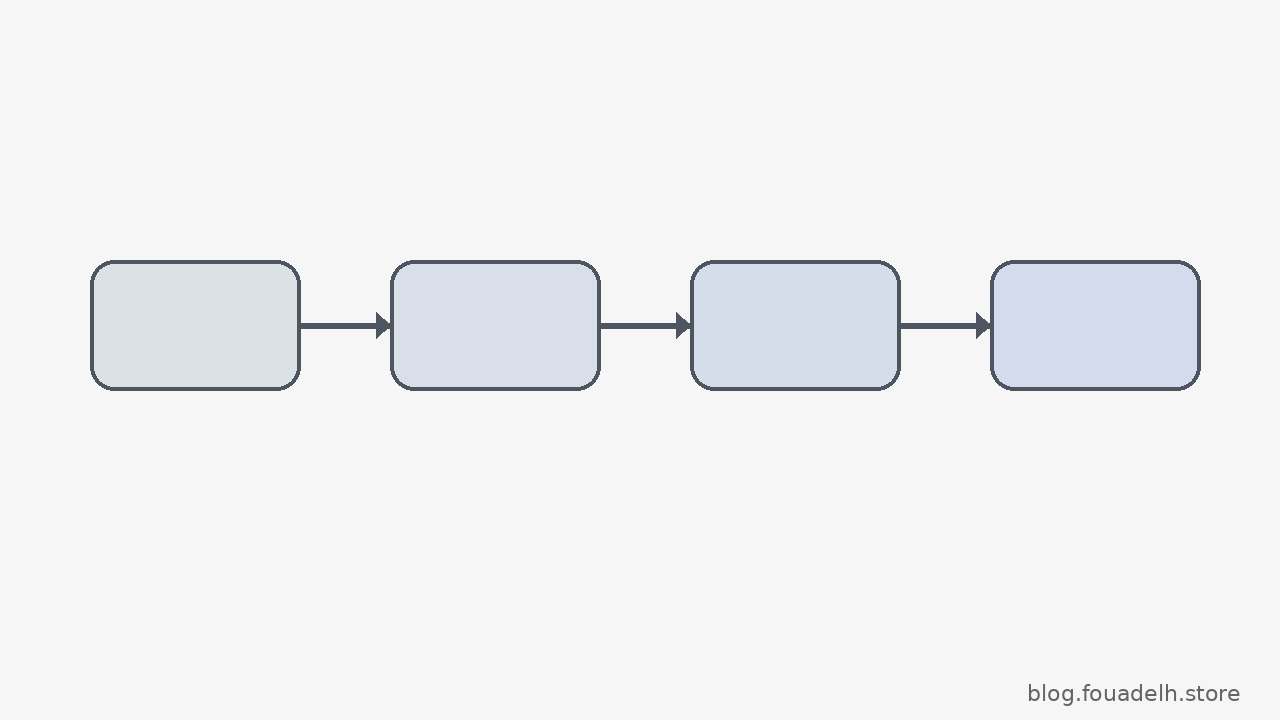
The practical recommendation is to keep a short chain from evidence to change, verification, and rollback. That discipline lowers risk more effectively than a long checklist that has never been exercised.


Comments
No published comment yet.
Sign in to comment