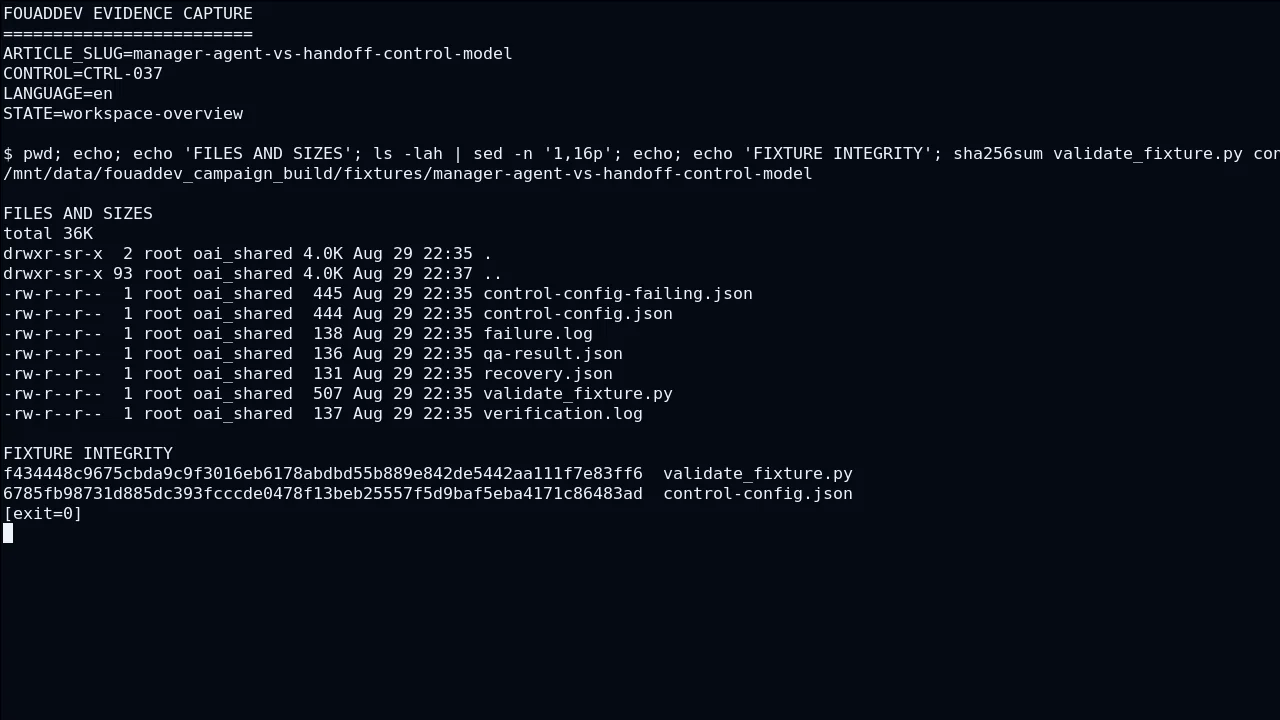
Manager agent or handoff? A decision model for multi-agent control
Choose centralized orchestration or specialist ownership based on accountability, synthesis needs, latency and policy boundaries.
Read the full analysis↗Your preferred language is ranked first. Every published French, English and Arabic article remains readable, and you can filter by language without changing your preference.
Choose centralized orchestration or specialist ownership based on accountability, synthesis needs, latency and policy boundaries.
Read the full analysis↗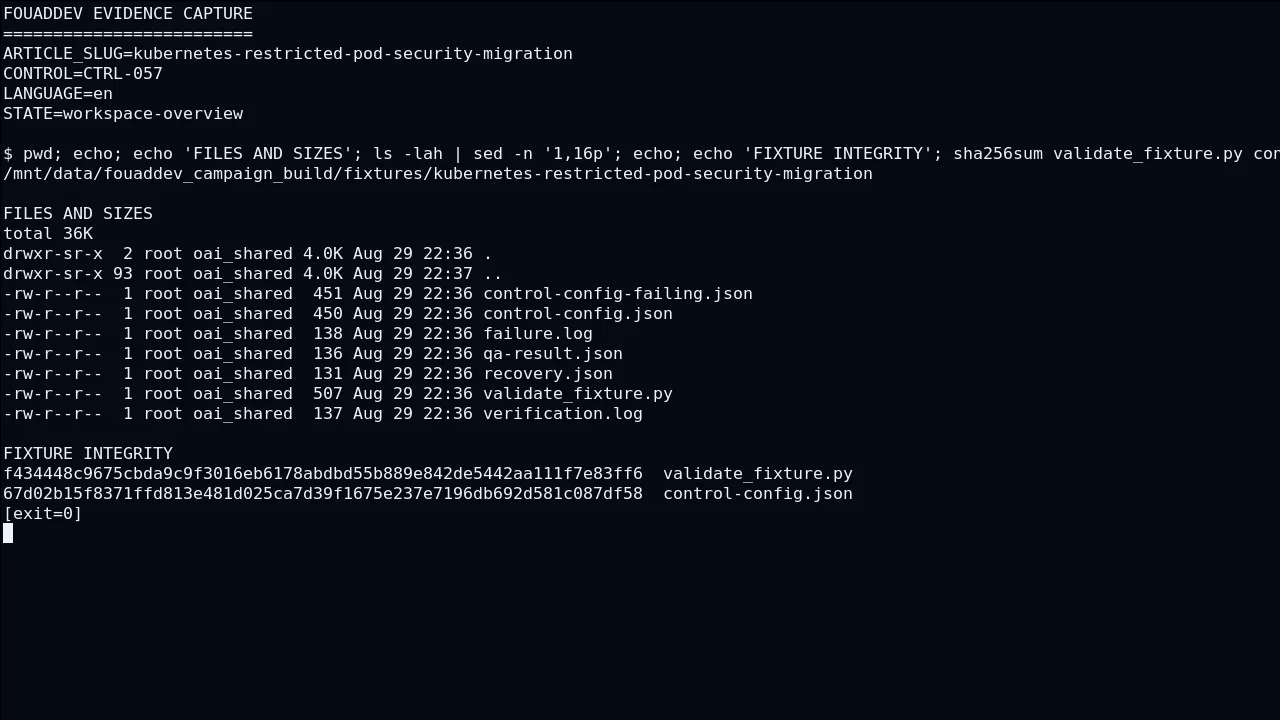
Use audit and warn modes to discover violations, remediate workloads and only then enforce Restricted.
Read the full analysis↗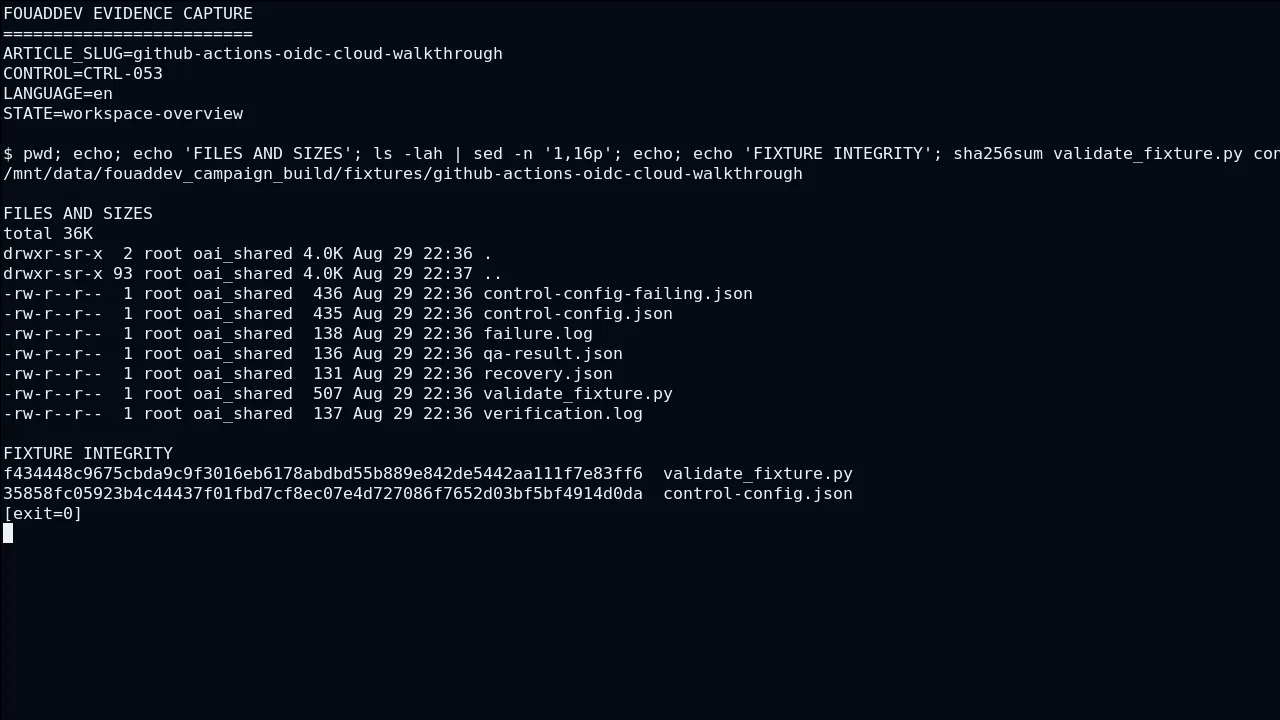
Replace stored cloud secrets with short-lived federated tokens and narrowly scoped trust conditions.
Read the full analysis↗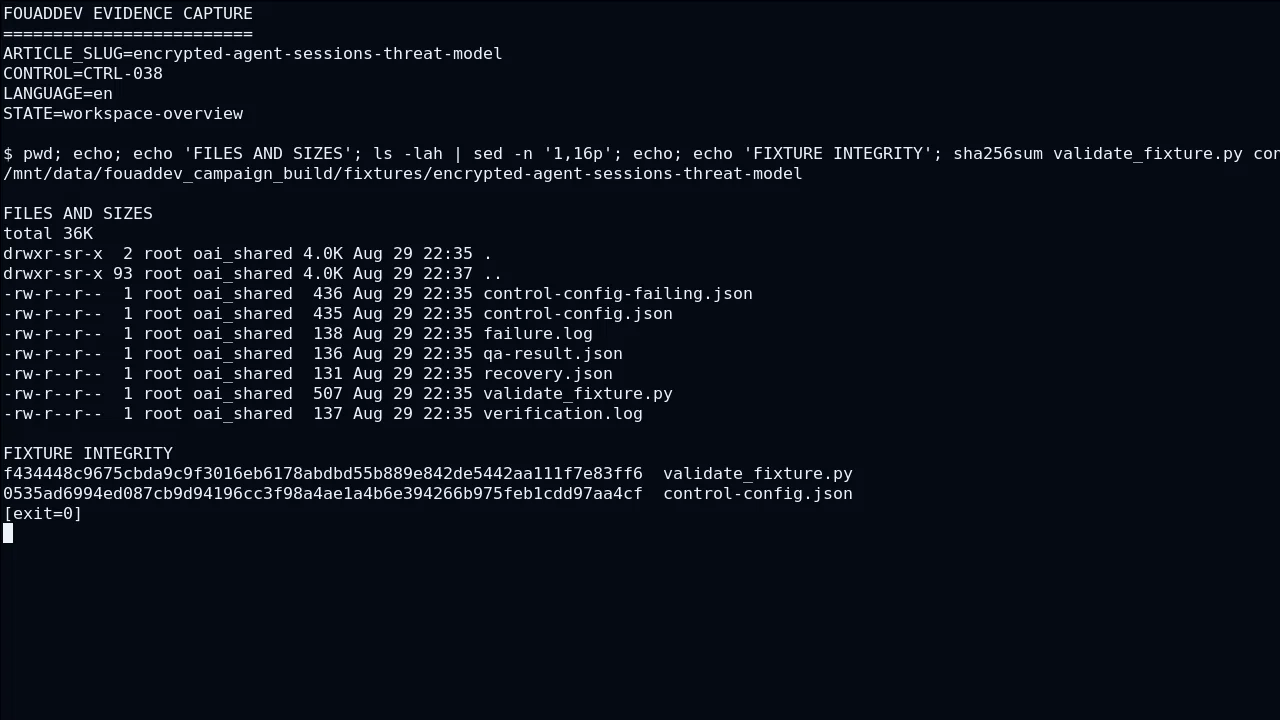
Threat-model a session store so encryption at rest is not mistaken for authorization, deletion, or prompt-level privacy.
Read the full analysis↗
Generate an SPDX SBOM during BuildKit, inspect it locally and retain it with the image release record.
Read the full analysis↗
Turn dependency diffs into an enforceable pull-request check with explicit vulnerability thresholds and exceptions.
Read the full analysis↗
Teach a complete path from agent orchestration and authorization through observability, CI security, SBOM and provenance.
Read the full analysis↗
Create a small server while explicitly separating transport, authorization, tool exposure and side effects.
Read the full analysis↗
Preserve traces and state, revoke credentials, bound downstream effects and reconstruct the authorization path after an unsafe action.
Read the full analysis↗
Map where API keys, tokens and customer data can enter traces and define redaction plus retention controls.
Read the full analysis↗
Place deterministic validation around function-tool calls so dangerous parameters are rejected before an external action executes.
Read the full analysis↗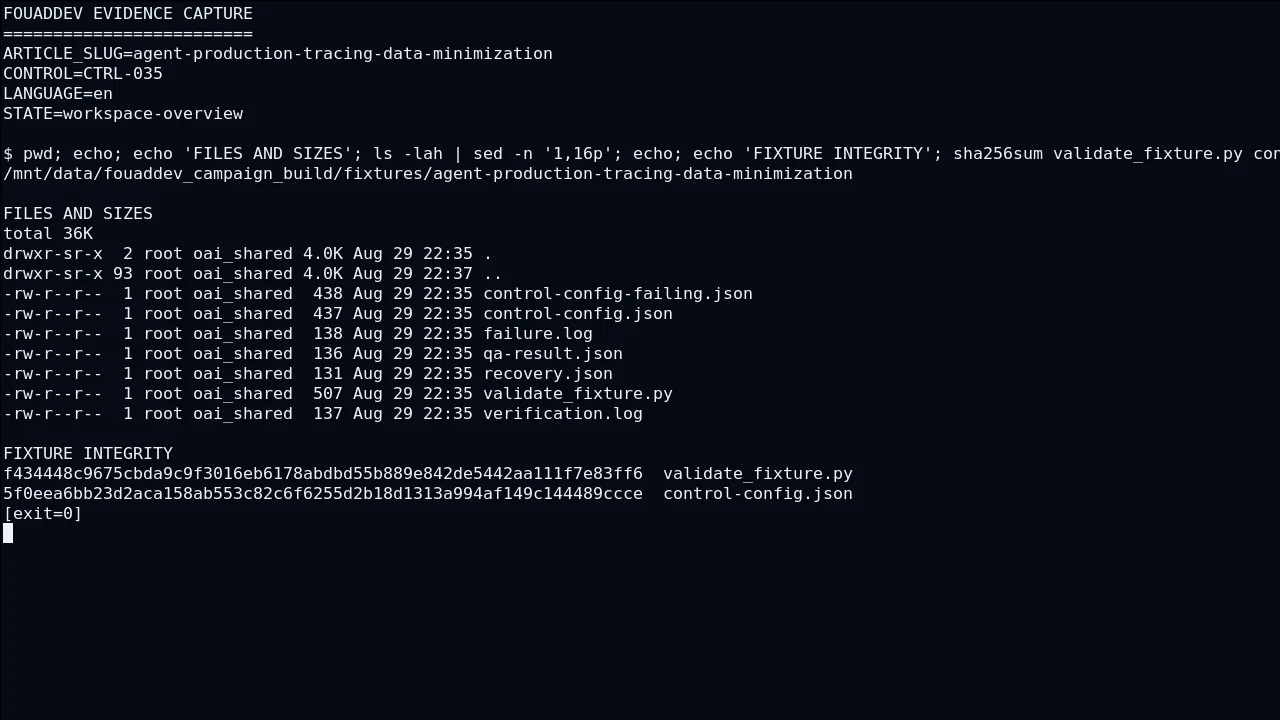
Design traces that answer debugging questions while limiting sensitive model and tool payload retention.
Read the full analysis↗ AI & AutomationFouadDev Prompt Factory — professional editorial generatorPHP, MySQL, JavaScript, AI, Prompt Engineering, SEO, QA, AutomationIA & AutomatisationFouadDev Prompt Factory — générateur éditorial professionnelPHP, MySQL, JavaScript, IA, Prompt Engineering, SEO, QA, Automatisationالذكاء الاصطناعي والأتمتةFouadDev Prompt Factory — مولّد تحريري احترافيPHP, MySQL, JavaScript, AI, Prompt Engineering, SEO, QA, Automation
Type at least 2 characters. Use ↑ ↓ Enter. Enter opens the full search.